

 Request a Quote
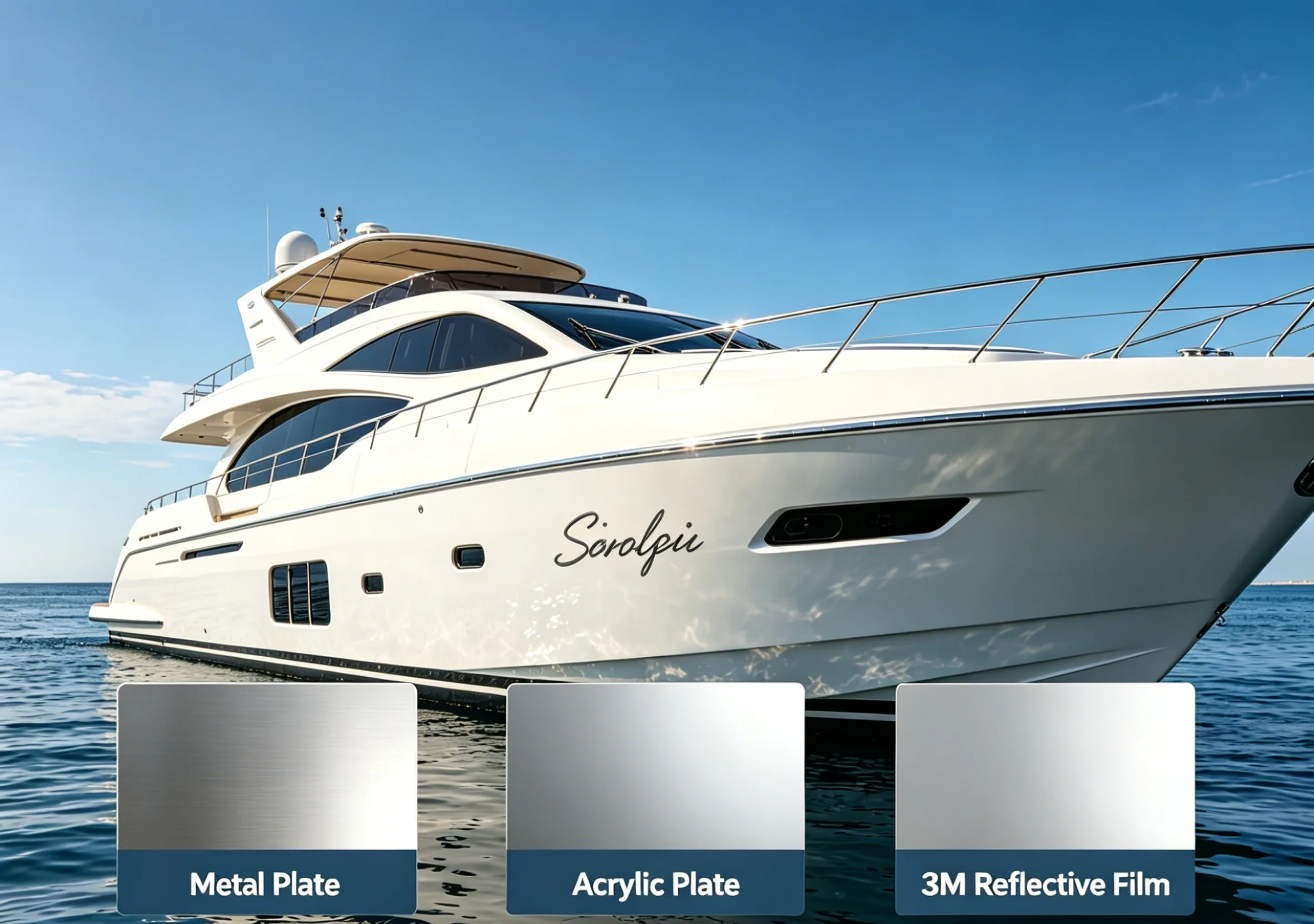
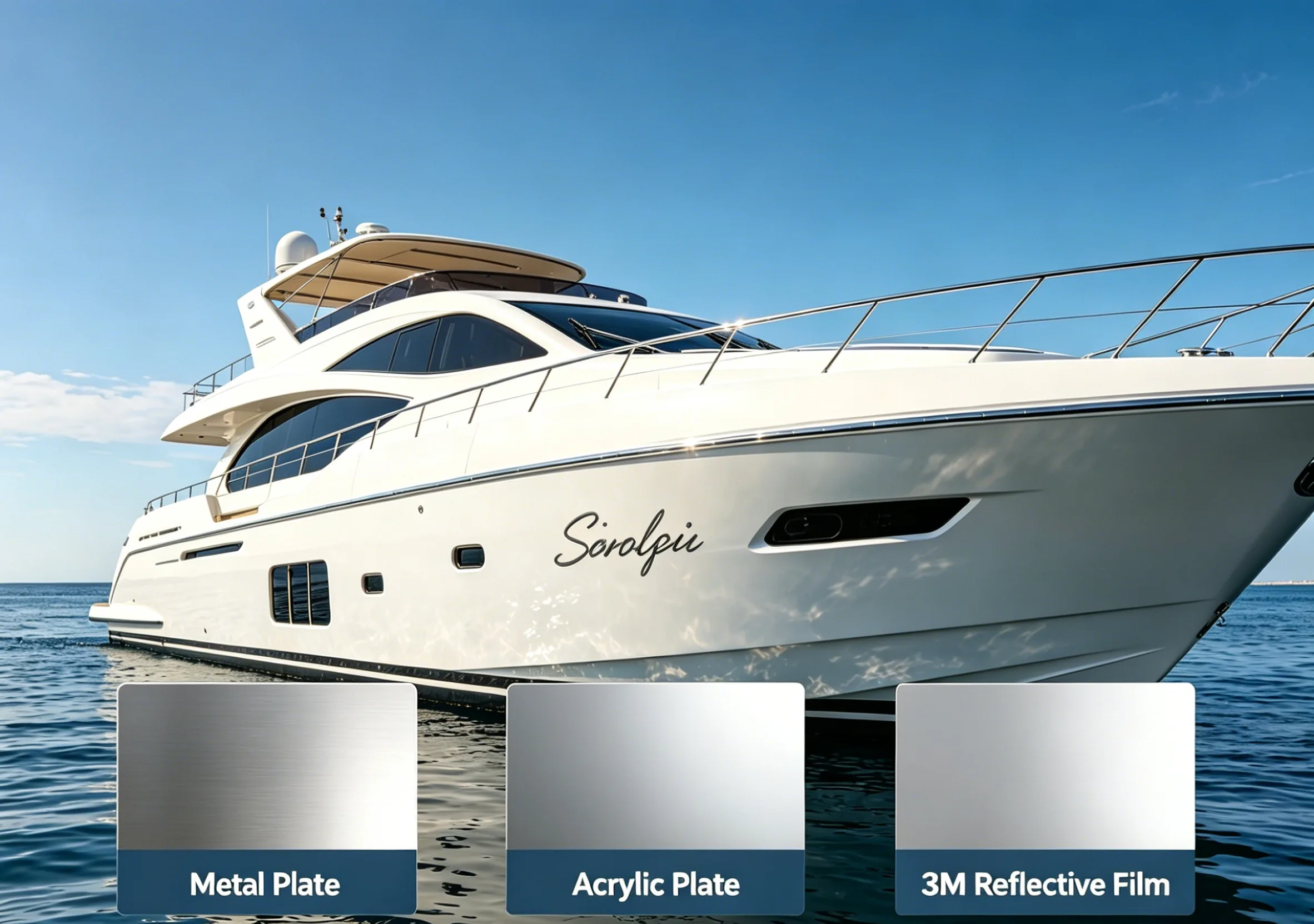
Comparing 316L stainless, marine aluminum, UV-stable acrylic, and cast vinyl for yacht exterior signage.
Choosing the best materials for yacht exterior signage is mostly a balance between marine durability, finish quality, and lifecycle cost. In real-world coastal use, salt spray, UV exposure, humidity, and regular washdowns all affect sign performance over time. This guide compares the four most used options: 316L stainless steel, marine-grade aluminum, UV-stable acrylic, and premium cast vinyl. For finished builds, see backlit yacht signs and stainless steel yacht signs.
What Matters Most in Marine Conditions
- Corrosion resistance: salt and chloride exposure are the biggest long-term risk.
- UV stability: poor specifications can yellow, fade, or become brittle.
- Maintenance load: cleaning cycles and finish care impact ownership effort.
- Mounting and weight: lighter systems can simplify installation constraints.
Material Comparison at a Glance
| Material | Marine Durability | Visual Style | Typical Cost Level | Best Use Case |
|---|---|---|---|---|
| 316L Stainless Steel | Excellent | Premium mirror/brushed metal | High | Long-term premium yacht name signs |
| Marine-Grade Aluminum | Very good | Clean, modern, coated finishes | Medium | Best value for permanent exterior signs |
| UV-Stable Acrylic | Medium to very good | Color depth and backlit effects | Medium | Illuminated and decorative layered builds |
| Premium Cast Vinyl | Medium | Flexible graphic options | Low | Shorter-cycle branding or updates |
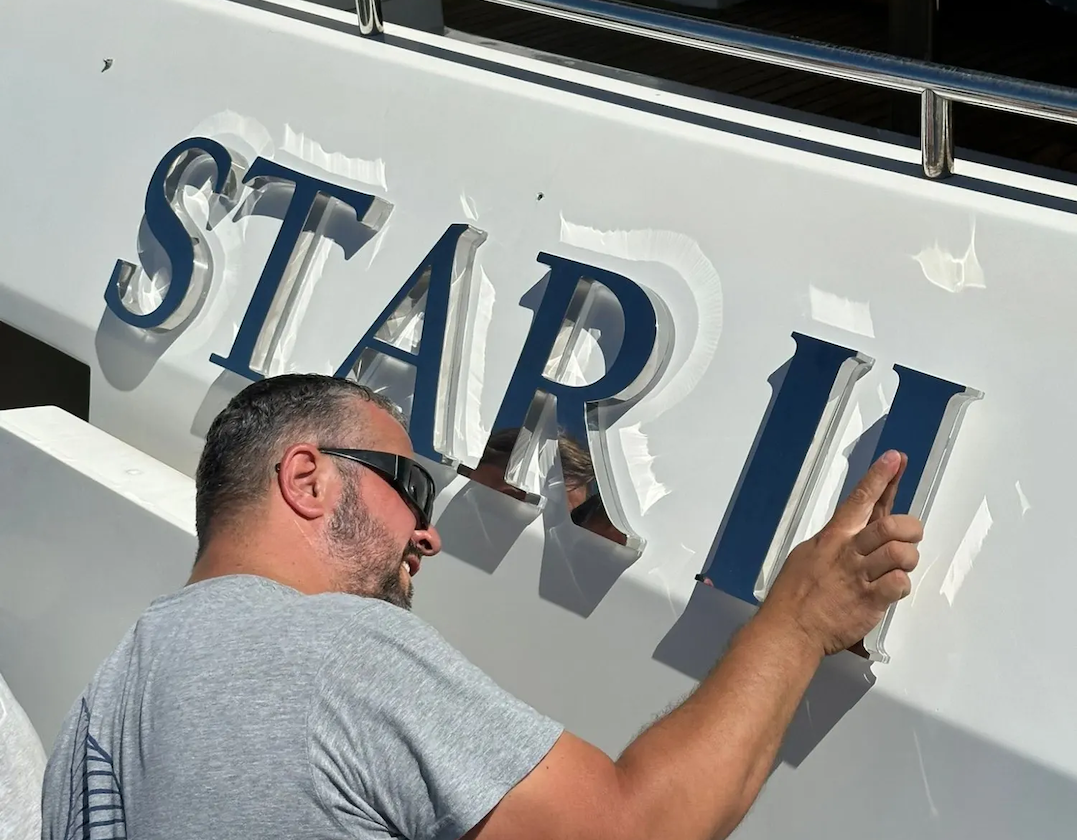
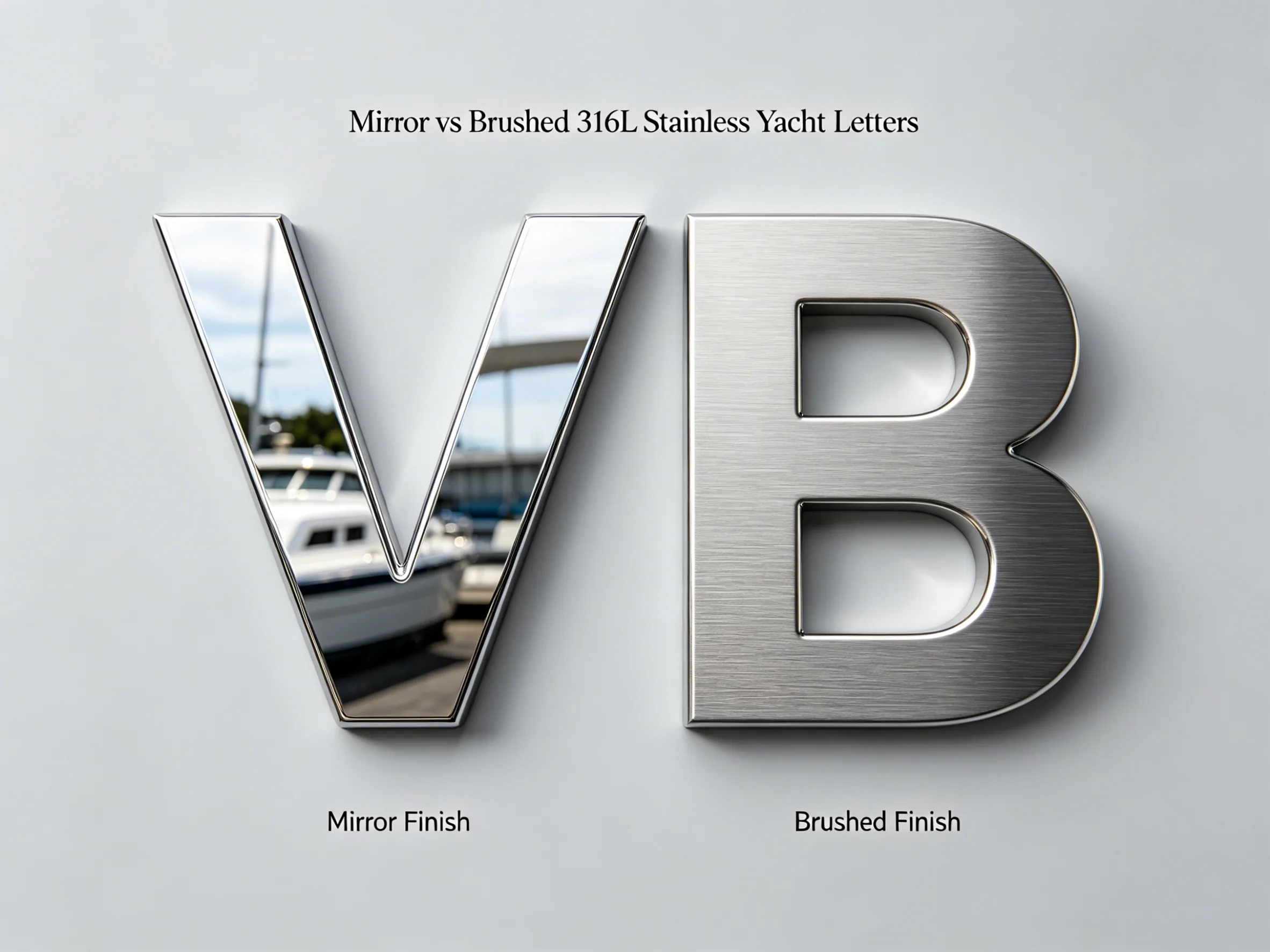
Mirror stainless steel — premium long-life identity for coastal exposure. Mirror Stainless Steel.
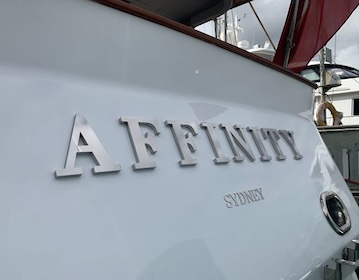
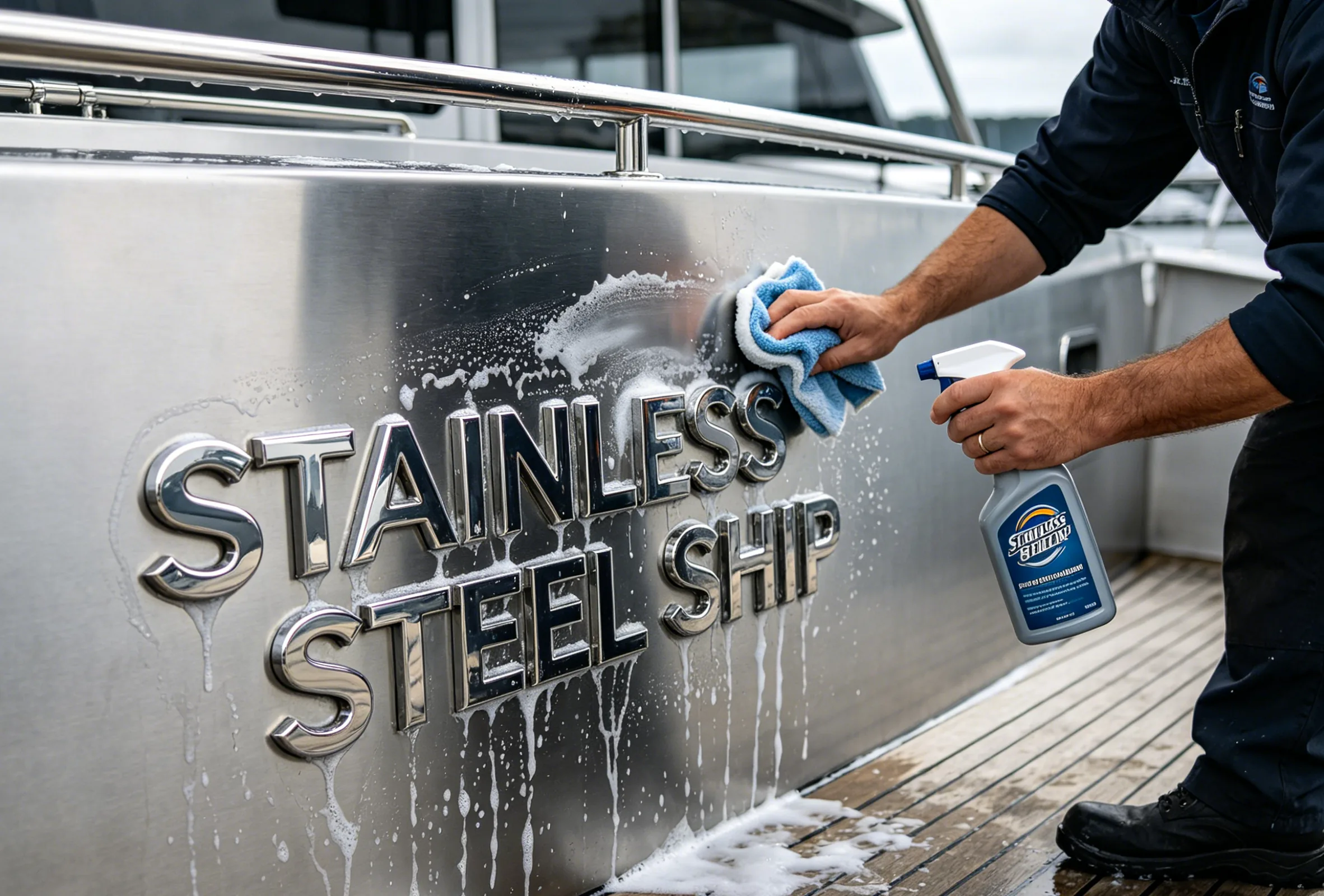
Brushed stainless — restrained metal look with practical maintenance cadence. Brushed Stainless Steel.
1) 316L Stainless Steel: Premium and Proven
316L is considered the marine standard for high-end yacht lettering because of its chloride resistance and durable finish options. It is ideal when your priority is long-term appearance, premium reflection, and robust performance in coastal exposure.
Explore finish examples: Mirror Stainless Steel and Brushed Stainless Steel.
2) Marine-Grade Aluminum: Best Value-Performance Balance
Marine-grade aluminum is widely chosen for exterior marine signage because it combines good corrosion resistance, lighter weight, and practical cost. When specified with quality coatings, it can offer strong long-term value in harsh coastal climates.
3) UV-Stable Acrylic: Strong Visual Impact for Illuminated Signs
Acrylic is common in illuminated yacht signs and layered letter construction because it delivers clean color and light diffusion. For exterior use, always specify UV-stable grades and suitable thickness.
For lighting design options, see Lighting Options and Backlit Yacht Signs.
4) Premium Cast Vinyl: Flexible, Faster, and Budget-Friendly
Premium cast vinyl is useful when you need lower upfront cost, fast updates, or short-cycle visual refreshes. In coastal environments, lifespan depends heavily on film grade, lamination, and sun/salt exposure.
Best Material by Project Goal
- Luxury long-life identity: 316L stainless steel with engineered mounting.
- Performance + budget control: marine-grade aluminum with quality coating.
- Day/night aesthetics: UV-stable acrylic with LED integration.
- Frequent design changes: premium cast vinyl with laminate protection.
Common Specification Mistakes to Avoid
- Using 304 where 316L is required for coastal exposure.
- Skipping UV-stable specifications for acrylic or protective laminates for vinyl.
- Ignoring hardware grade and dissimilar-metal isolation in salty environments.
- Selecting by upfront price only instead of lifecycle cost and maintenance.
How to Choose in 5 Steps
- Define exposure level: coastal saltwater, offshore, or mixed freshwater use.
- Set visual goals: premium metal look, coated finish, or illuminated acrylic effect.
- Check installation constraints: mounting area, weight limits, and cable routing.
- Compare lifecycle cost: include maintenance and replacement cycles, not just upfront spend.
- Lock marine specs in writing: material grade, UV stability, hardware, and corrosion isolation.
Need material advice for your yacht?
FAQ
Not always. 316L usually wins on premium finish and top-tier corrosion confidence, while marine aluminum is lighter and often more cost-efficient. Final choice depends on design intent, budget, and installation constraints.
Use marine-grade hardware, specify proper coatings/laminates, avoid galvanic contact points, and keep a regular freshwater rinse and cleaning routine.
Start with your yacht name/logo, mounting area photos, target size, finish preference, and lighting preference. Then contact us via Contact for a recommendation.
For exterior yacht signage in saltwater environments, 316L stainless steel is commonly preferred over 304 due to better resistance to chloride-driven corrosion.
Use compatible marine-grade hardware, isolate dissimilar metals where needed, seal penetrations correctly, and maintain regular freshwater rinsing in high-salt environments.
Get a Quote for Your Project
Share your yacht name, mounting photos, and finish preferences. A specialist will respond within one business day.
Need Material Advice for Your Yacht?
Share your size, style, and lighting goals. We can recommend a material stack based on your environment and target look.